How Harmonic Wave Filters Enhance Electrical System Performance
Understanding Harmonic Wave Filters
In modern electrical systems, maintaining efficiency and stability is crucial. Harmonic wave filters play a vital role in achieving this by mitigating unwanted frequencies that can disrupt operations. These filters are designed to address harmonic distortions, which can cause a range of issues in electrical networks.
Harmonics are voltage or current waveforms that are multiples of the fundamental frequency. They can lead to increased losses, overheating, and equipment malfunctions. Implementing harmonic wave filters helps in reducing these risks, thereby enhancing system performance.
Types of Harmonic Wave Filters
There are several types of harmonic wave filters, each serving specific purposes. The most common ones include passive filters, active filters, and hybrid filters. Each type has its own mechanism and application in electrical systems.
- Passive Filters: These use passive components like capacitors and inductors to eliminate harmonics.
- Active Filters: They use power electronics to inject compensating currents, counteracting harmonics.
- Hybrid Filters: Combining aspects of both passive and active filters, they offer enhanced performance.
Understanding the differences between these filters is essential for selecting the right one for your system.
Benefits of Harmonic Wave Filters
Implementing harmonic wave filters can offer numerous advantages. Firstly, they significantly reduce power losses, leading to cost savings. Secondly, they enhance the lifespan of electrical equipment by preventing overheating and unnecessary stress. Additionally, filters contribute to a more stable power supply, reducing downtime and maintenance costs.
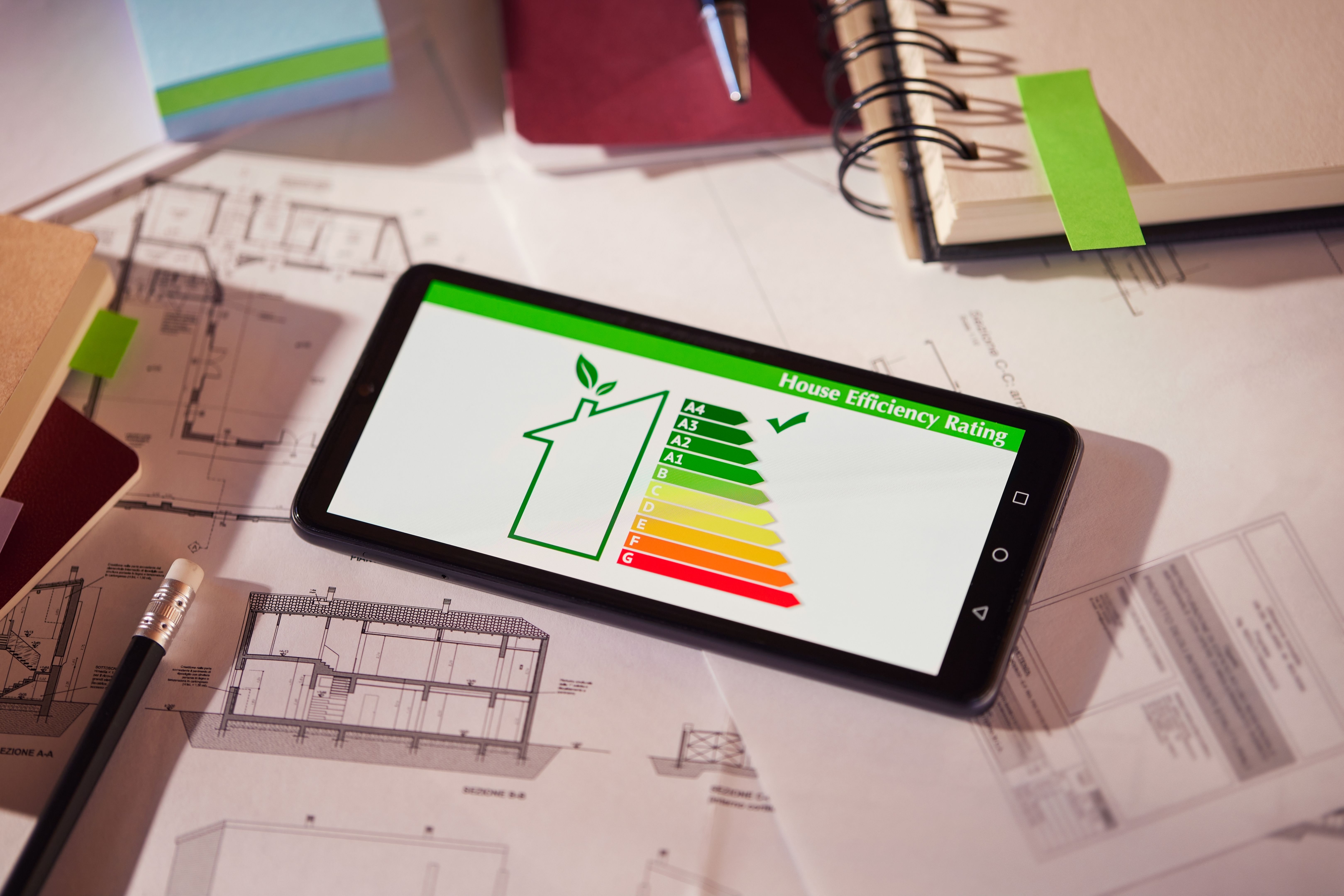
Moreover, by improving power quality, these filters ensure compliance with industry standards and regulations, which is crucial for businesses operating in regulated sectors.
Applications in Various Industries
Harmonic wave filters are utilized across diverse industries. In manufacturing, they ensure the smooth operation of machinery and reduce energy consumption. In data centers, they help maintain the reliability of critical systems, preventing disruptions.

Additionally, in renewable energy systems, these filters optimize the performance of solar panels and wind turbines by minimizing harmonic distortions. This results in more efficient energy production and distribution.
Choosing the Right Harmonic Wave Filter
Selecting the appropriate harmonic wave filter involves evaluating several factors such as the system's load conditions, the level of harmonic distortion, and specific industry requirements. Consulting with experts and conducting a thorough analysis can help in making an informed decision.
- Assess the system's harmonic levels.
- Identify the specific needs of your application.
- Consult with professionals to determine the best fit.
By carefully choosing the right filter, you can optimize your electrical system's performance and reliability.
Conclusion
Harmonic wave filters are essential components in modern electrical systems, offering significant benefits in terms of efficiency, reliability, and cost savings. By understanding their types, benefits, and applications, businesses can enhance their operations and ensure compliance with industry standards.
As technology continues to advance, the role of harmonic wave filters in improving electrical system performance will only become more critical.