The Evolution of Reactive Power Compensation
The History of Reactive Power Compensation
Reactive power compensation has been a critical component in the management of electrical power systems. Initially, the concept emerged to address inefficiencies in power generation and distribution. Early methods relied heavily on simple capacitor banks to offset reactive power, which was a groundbreaking approach at the time.
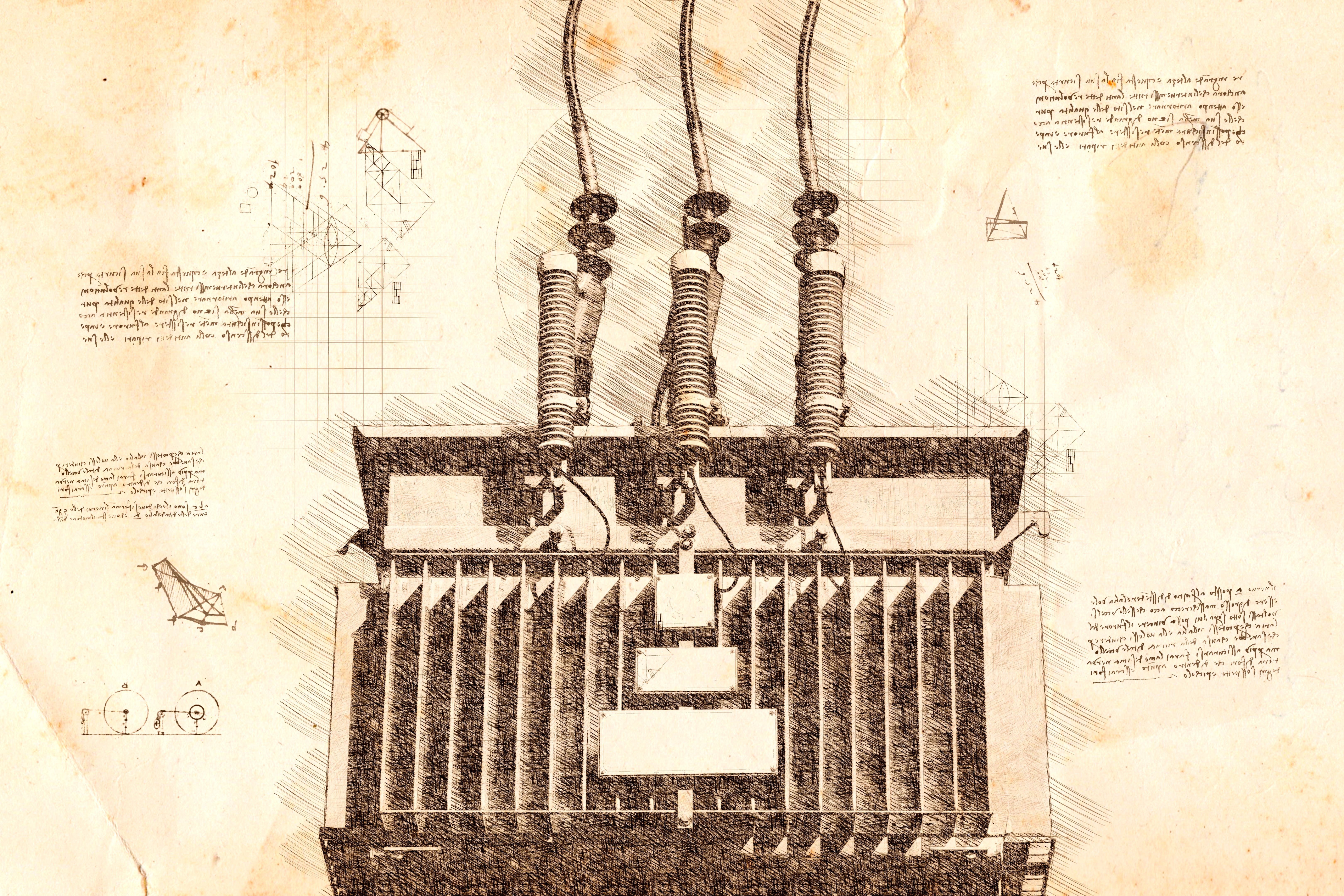
The Role of Capacitor Banks
Capacitor banks played a pivotal role in the early days of reactive power compensation. They were designed to absorb excess reactive power, improving the overall power factor of electrical systems. This approach not only enhanced efficiency but also reduced energy losses in transmission lines.
Despite their effectiveness, capacitor banks had limitations. They were largely static, unable to adjust dynamically to changing load conditions. This led to the development of more advanced solutions.
Advancements in Technology
With the advent of semiconductor technology, reactive power compensation witnessed significant advancements. The introduction of thyristors and transistors facilitated the development of more responsive systems. These technologies enabled dynamic compensation, allowing for real-time adjustments to power flows.

Static Var Compensators (SVC)
The introduction of Static Var Compensators marked a significant leap forward. SVCs use thyristors to control the amount of reactive power generated or absorbed by a system. This dynamic approach offers greater flexibility and efficiency, adapting to fluctuations in power demand seamlessly.
SVCs have become a staple in modern power systems, helping to stabilize voltages and improve power quality across various industries.
The Rise of Smart Grids
In recent years, the evolution of smart grid technology has further transformed reactive power compensation. These grids incorporate advanced sensors and communication technologies, enabling more precise control over power distribution.
Integration of Renewable Energy
As renewable energy sources like wind and solar become more prevalent, the need for effective reactive power compensation has grown. These sources are inherently variable, necessitating advanced solutions that can adapt to rapid changes in power supply.
Smart grids facilitate this integration by providing real-time data and automated control, ensuring that reactive power is managed efficiently even with fluctuating inputs.
The Future of Reactive Power Compensation
Looking ahead, the future of reactive power compensation lies in further technological innovations. Developments in artificial intelligence and machine learning are set to revolutionize the field, offering predictive capabilities and enhanced automation.

Artificial Intelligence and Machine Learning
AI and machine learning offer the potential to predict power demand and supply patterns, enabling proactive management of reactive power. This approach promises to enhance system reliability and efficiency, paving the way for more sustainable energy solutions.
As these technologies continue to evolve, they will undoubtedly play a crucial role in optimizing power systems worldwide.