The Ultimate Guide to Through Wall Bushing: What You Need to Know
When it comes to ensuring the safety and efficiency of electrical installations, understanding the role of through wall bushings is crucial. These components are essential for maintaining the integrity of electrical systems by providing a secure passage for cables and wires through walls. In this guide, we'll delve into everything you need to know about through wall bushings, their benefits, and how to choose the right one for your needs.
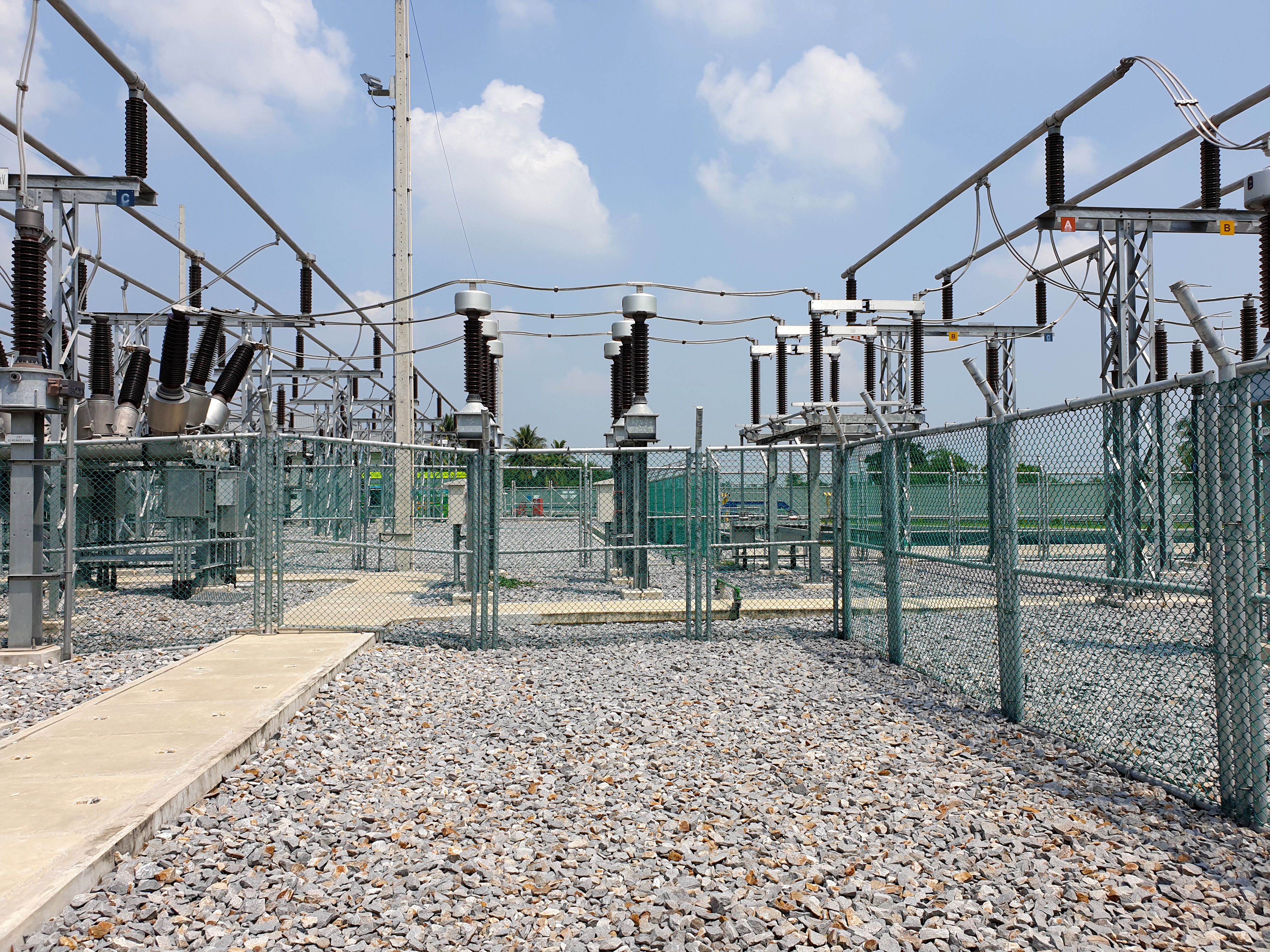
What Are Through Wall Bushings?
Through wall bushings are devices used to protect electrical conductors as they pass through a wall. They serve as an insulating barrier, preventing electrical arcs and protecting the cables from physical damage. By doing so, they enhance the safety and reliability of electrical systems in both residential and commercial settings.
These bushings are typically made from durable materials such as rubber, plastic, or ceramic, each offering different levels of insulation and protection. Their design ensures that they can withstand various environmental conditions, including temperature fluctuations and moisture exposure.
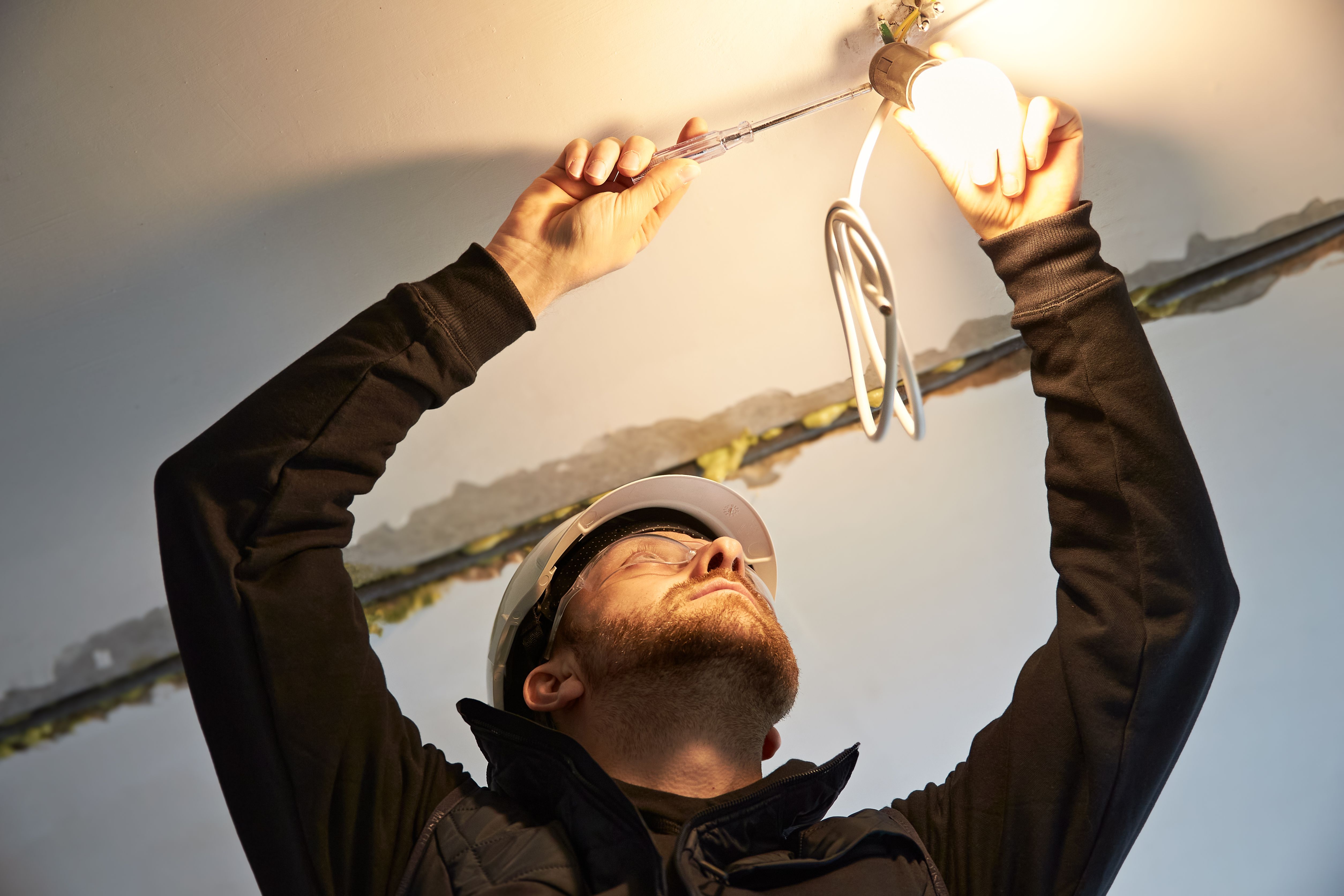
Benefits of Using Through Wall Bushings
One of the primary benefits of through wall bushings is their ability to enhance safety. By preventing electrical arcs, they reduce the risk of electrical fires and equipment damage. Additionally, they help maintain the structural integrity of the walls they pass through, preventing wear and tear over time.
Another significant advantage is their role in noise reduction. By providing a sealed passage for cables, they minimize the transmission of sound and vibrations, which can be particularly beneficial in industrial settings.
Types of Through Wall Bushings
There are several types of through wall bushings available, each designed to meet specific needs:
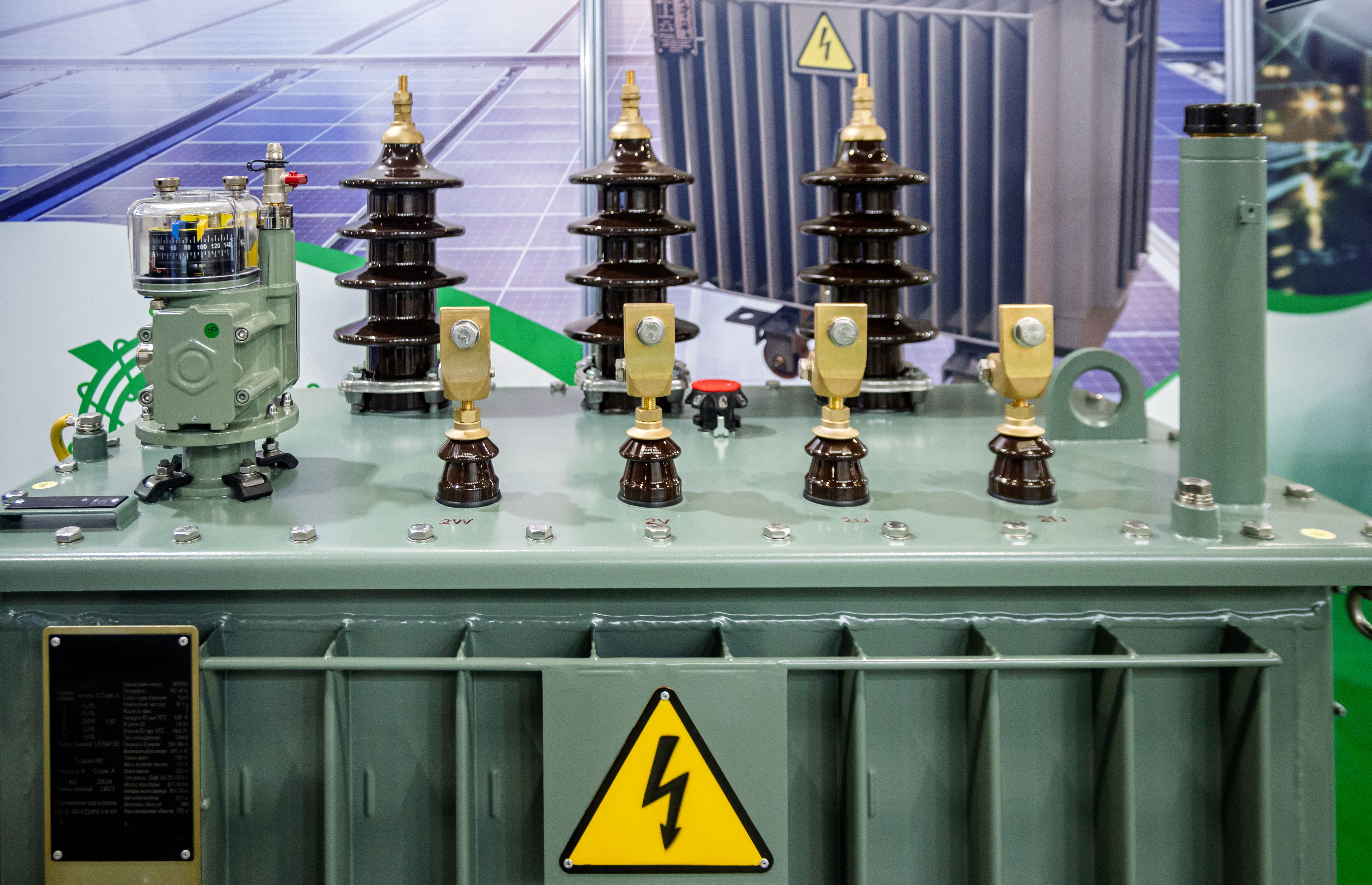
- Ceramic Bushings: Known for their high-temperature resistance and excellent insulation properties, making them ideal for high-voltage applications.
- Rubber Bushings: Offer flexibility and are often used in environments where vibration damping is crucial.
- Plastic Bushings: Lightweight and cost-effective, suitable for low to medium voltage applications.
How to Choose the Right Through Wall Bushing
Selecting the right through wall bushing depends on several factors. First, consider the voltage requirements of your application. High-voltage systems will typically require ceramic bushings due to their superior insulating properties.
Next, assess the environmental conditions where the bushing will be installed. If the area is prone to vibrations, a rubber bushing may be more suitable. Additionally, consider the diameter of the cables and the wall thickness to ensure a proper fit.
Installation Tips and Best Practices
Proper installation is key to maximizing the effectiveness of through wall bushings. Begin by ensuring that the wall opening is clean and free of debris. This will help prevent any potential damage to the cables during installation.
Ensure that the bushing is aligned correctly with the wall and that it fits snugly. This snug fit is essential for maintaining insulation and preventing moisture ingress, which can compromise the electrical system.

Maintenance and Troubleshooting
Regular maintenance of through wall bushings can significantly extend their lifespan and improve system reliability. Inspect them periodically for signs of wear, such as cracks or discoloration, which could indicate potential insulation failure.
If you encounter any issues, it is crucial to address them promptly. Replacing damaged bushings can prevent further damage to your electrical system and reduce the risk of electrical hazards.
In conclusion, through wall bushings are an essential component of any electrical installation, providing safety, insulation, and noise reduction. By understanding their types, benefits, and installation, you can ensure a reliable and efficient electrical system.